Corrugated Metal Roofing: Benefits, Costs & Guide
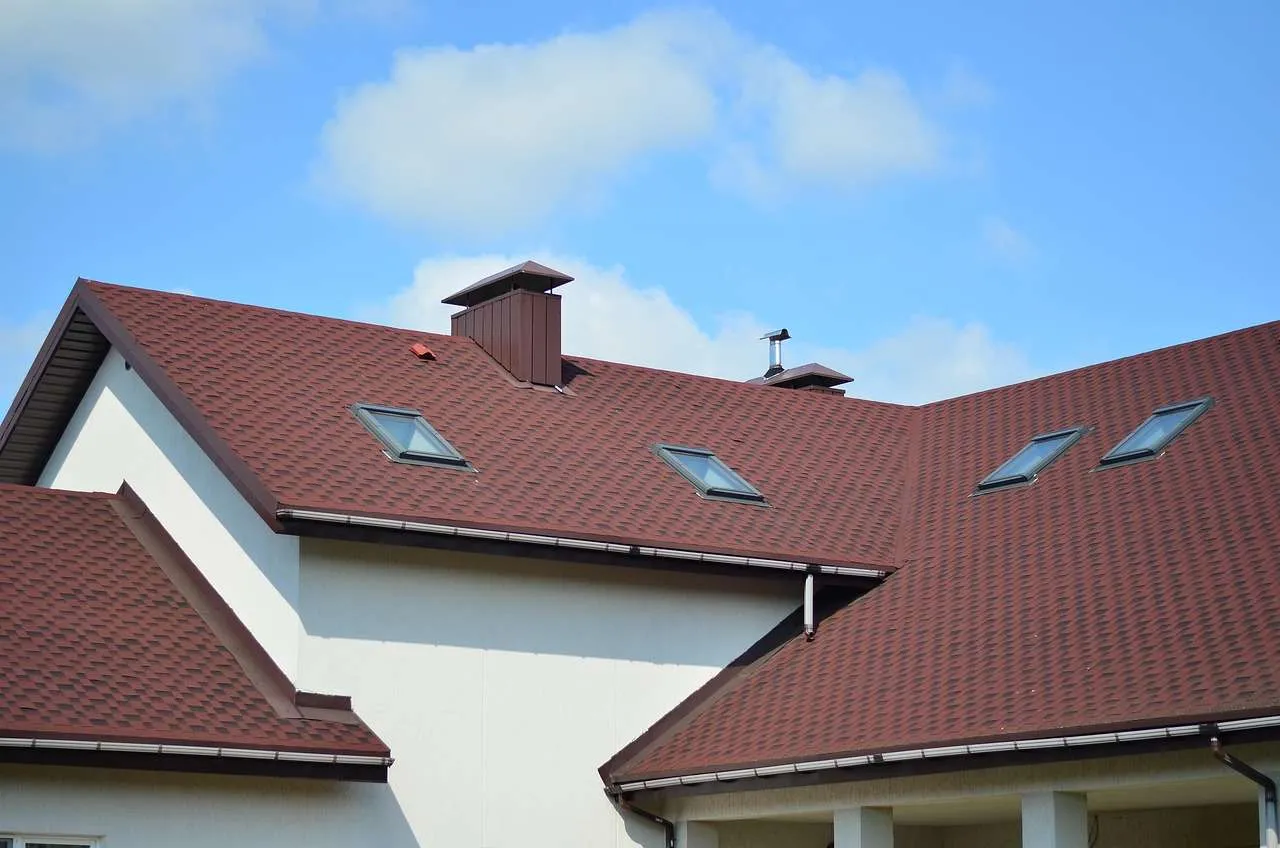
Corrugated metal roofing has become a popular choice for residential, agricultural, and commercial buildings due to its durability, light weight, and fast installation.
What is corrugated metal roofing?
Corrugated metal roofing consists of metal sheets—commonly steel, aluminum, or zinc-aluminum alloy—formed with a wavy corrugation to add rigidity. Sheets are typically galvanized or coated with polyester, PVDF, or epoxy finishes to resist corrosion and fade. Profiles vary by manufacturer, but the corrugation enhances strength while keeping the system relatively lightweight compared with traditional tile.
Key benefits
- Durability and longevity: With proper coating and installation, corrugated metal roofs often last 40–70 years, far longer than many asphalt shingles.
- Weather resistance: The corrugation plus metal construction sheds rain and snow effectively and resists impact from hail better than many roofing options.
- Light weight and easy installation: A lighter roof reduces structural load and can speed up installation, often resulting in lower labor costs.
- Low maintenance: Minimal maintenance is typically required, especially when coated with durable finishes and installed with proper sealants.
- Fire resistance and sustainability: Most corrugated metal roofs achieve Class A fire resistance and are highly recyclable at end of life.
Considerations and drawbacks
Sound transmission can be noticeable during heavy rain if attic insulation is inadequate. In coastal or heavily salted environments, selecting corrosion-resistant alloys and coatings is important. Cosmetic fading or chalking may occur with some finishes. Fastener quality and flashing details are critical to prevent leaks at edges and roof penetrations. Temperature expansion can require proper fasteners and sealants to avoid gaps over time.
Materials, coatings, and installation tips
Common materials include galvanized steel, aluminum, and zinc-aluminum alloys. Coatings range from basic polyester to high-performance PVDF finishes with warranties up to 30 years. When choosing color and coating, consider climate, glare, and thermal performance. A qualified contractor should install corrugated roofing with proper underlayment, flashing, and sealants. Allow for proper venting and attic insulation to improve comfort and reduce noise.
Coatings and warranties
Look for coatings with UV resistance and corrosion protection. PVDF coatings often carry longer warranties and better color stability. Ensure that the warranty covers coating adhesion, chalking, and fade for the expected life of the roof.
Cost, lifespan, and return on investment
Installed costs typically range from about $6 to $12 per square foot for metal roofing, depending on material, thickness, coating, and local labor rates. In many markets, this is higher than asphalt shingles but offsets with a longer lifespan and lower maintenance. Expect 40–70 years of service, compared with 15–30 years for typical asphalt shingles, making the lifecycle cost often favorable for metal roofs in the long term.
Energy efficiency and environmental impact
Metal roofs can reflect sunlight and reduce cooling loads, especially with light-colored or reflective coatings. Cool roof options and PVDF coatings help limit heat absorption. They are highly recyclable at end of life, and manufacturing waste is often recycled. The environmental impact depends on material choice and local recycling infrastructure, but the overall sustainability profile is strong for corrugated metal roofing when sourced responsibly.
Comparison: quick table
| Feature | Corrugated Metal Roofing | Asphalt Shingles | Standing Seam Metal |
|---|---|---|---|
| Lifespan | 40–70 years | 15–30 years | 40–70+ years |
| Weight | Light | Moderate | Moderate-Heavy |
| Durability | High impact resistance | Moderate | Very high |
| Wind resistance | Excellent (depending on fasteners) | Good | Excellent |
| Initial cost | Moderate to high | Low | High |
| Maintenance | Low | Moderate | Low |
| Fire resistance | Class A (coated) | Class A (fire-rated) | Class A |
Common myths and quick facts
Myth: corrugated roofs are loud in rain. Fact: with proper underlayment and attic insulation, noise is minimized. Myth: metal roofs are prone to rust. Fact: modern coatings and alloys resist corrosion well when chosen for the environment.
Conclusion
Conclusion, corrugated metal roofing offers exceptional durability, long lifespan, and energy benefits when installed by a qualified contractor with appropriate underlayment and coatings. It suits varied climates, architectural styles, and budgets, especially for projects valuing longevity and sustainability. For best results, assess climate, coastal exposure, and local codes, obtain multiple quotes, and plan for maintenance and coatings to preserve performance over time. Regular inspections help protect value and extend roof life.